When a garage door stops working, the first question most homeowners ask is what it will cost to fix. It is a fair question, and it deserves a straight answer. The straight answer is that no responsible technician can give you a number over the phone. Not because the price is a secret, but because the price depends on facts that only an inspection can establish: what kind of door you have, how its springs are set up, which parts have actually failed, and what it will take to get the door moving safely again. This article explains what goes into that calculation, so you can understand a quote when you get one and ask useful questions about it. It does not quote figures, because this business has not published any, and inventing them would be worse than useless.
The door itself sets the floor
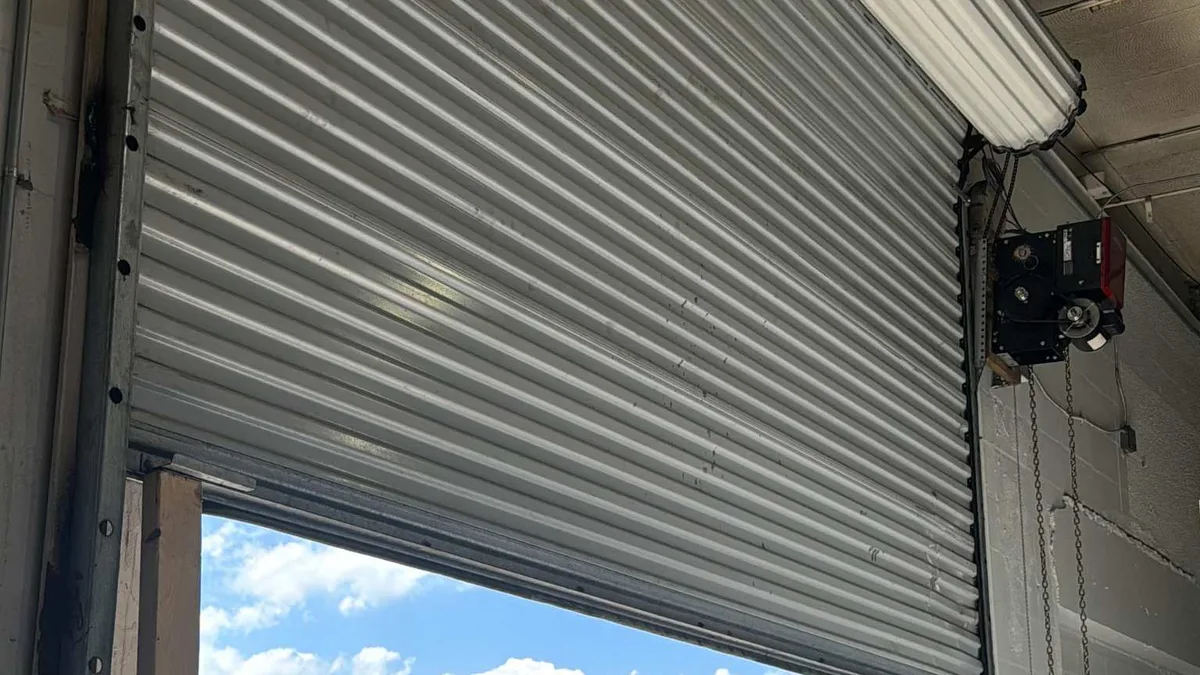
Garage doors are not interchangeable, and the door you have shapes every part of the repair. A single-car door and a double-car door carry different weights. A door made of steel, aluminum, or wood behaves differently as it ages. A door with windows weighs more than the same size door without them. Even the finish matters: a painted steel door and a wood door may need different approaches when a panel is damaged.
This is why a technician asks what kind of door you have before anything else. The weight and construction of the door determine what the springs have to do, what the opener has to lift, and what kind of replacement parts will fit. A repair that is straightforward on one door can be more involved on another, and the difference shows up in labor and in the parts required. None of that can be established from a description over the phone.
Spring configuration is the biggest variable
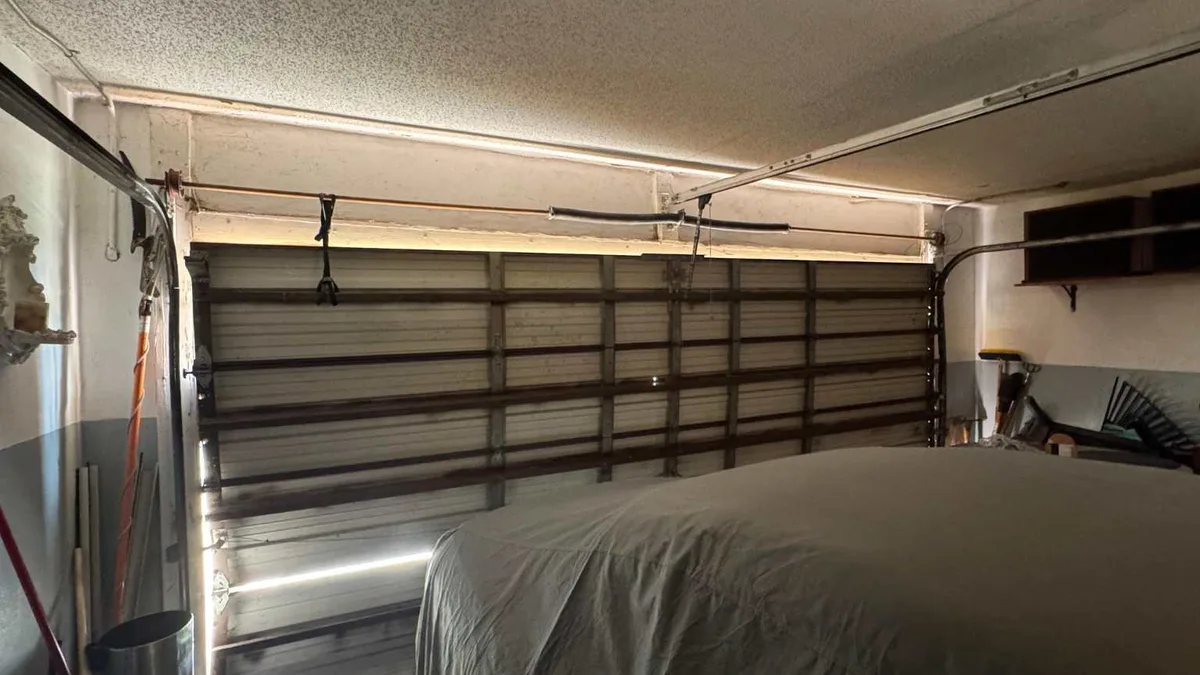
Springs are the heart of the system. They counterbalance the door's weight, and when they fail, the door becomes dangerously heavy. But springs are not one-size-fits-all. A door may have one spring or two. They may be torsion springs mounted on a shaft above the door, or extension springs running along the tracks. The springs are sized to the door's weight, and a replacement has to match.
Two doors of the same size can have different spring setups, and the repair reflects that. A single broken spring on a two-spring door is a different job from a door with one spring that has broken. The technician has to match the spring to the door, install it correctly, and then adjust the door's balance so the opener is not straining. That work is skilled labor, and it is the part of the repair that most affects the cost. It is also the part homeowners should never attempt themselves: torsion springs and cables are under high tension and can cause serious injury. The technician inspects the springs and cables; your job is to describe what you see from outside the door with the garage empty.
Parts: what failed and what else is worn
Every repair starts with a diagnosis, and the diagnosis determines which parts are needed. A snapped cable, a broken spring, a bent track, a worn roller, a stripped opener gear, a failed photo-eye: each points to a different set of parts. Some are inexpensive; some are not. The only way to know which applies is to have the door inspected.
There is also the question of related wear. A door that has been running with a broken spring may have put extra strain on the opener. A door that is noisy may need new rollers or hinges. A technician will point out what is worn and what can wait, but the decision about what to replace is yours. A quote should list the parts and the labor separately so you can see where the money is going.
Why a quote needs an inspection
A phone quote is a guess. The technician cannot see the door, cannot test the balance, cannot check the springs or cables, and cannot tell whether the track is true. A guess that turns out to be low leads to an unpleasant surprise on the day; a guess that is high may scare you off a repair that would have been simpler than expected. Either way, the number is not reliable.
An inspection takes a short visit and gives you a real answer. The technician will check the door's balance, inspect the springs and cables, test the opener, and look at the tracks and rollers. From that, they can tell you what has failed, what else is worn, and what the repair involves. Only then can they give you a quote that means something. This business serves Sunrise, Fort Lauderdale, Tamarac, Plantation, Coral Springs, and Weston, and an inspection can be scheduled during normal business hours or as an emergency call.
What you can do before the technician arrives
You can help the inspection go faster by noting a few things. Does the door feel heavier than it used to when you use the opener? Does it sit crooked, or is there a gap along the top? Does it make a new noise at the start of a cycle? Does the opener run without moving the door, or does the light flash a pattern? These observations are useful, and none of them require you to touch the springs, cables, or opener drive train. Leave those to the technician.
If the door is stuck open or stuck closed, say so when you call. If the door is stuck open, the technician may need to advise you on securing the opening until they arrive. Do not try to force the door or pull the emergency release; that is technician work.
Why we do not quote prices here
You will find plenty of websites that list flat prices for garage door repairs. Those numbers are often outdated, or they apply to a specific door in a specific condition, or they are simply made up to get your call. This business has not published prices, and it would be misleading to invent them. The honest answer is that the cost depends on your door, your springs, and the parts involved, and the only way to know is to have it looked at.
What you can expect is a clear explanation of what is wrong and what it will take to fix it, with the parts and labor spelled out. If you are in western Broward County and your garage door needs attention, call The Broken Spring Garage Door Repair LLC at 954-414-9504 to arrange an inspection. The company is licensed and insured, and serves residential and commercial customers in Sunrise, Fort Lauderdale, Tamarac, Plantation, Coral Springs, and Weston. Emergency service is available.